|
Healthcare Has Become a Financing Debate

This weekend, I joined Fox News’ Kevin Corke to discuss the work ahead now that the shutdown has ended, including the urgent need to rethink how we approach health care in America.
Washington talks a lot about new subsidies, but not nearly enough about why health care, energy and everyday costs are so high and why government often stands in the way of innovation that could make life cheaper.
That is why I will continue pushing for policies that lower costs and support wage growth at the same time.
Joint Economic Committee Hearing On Frontier Technologies
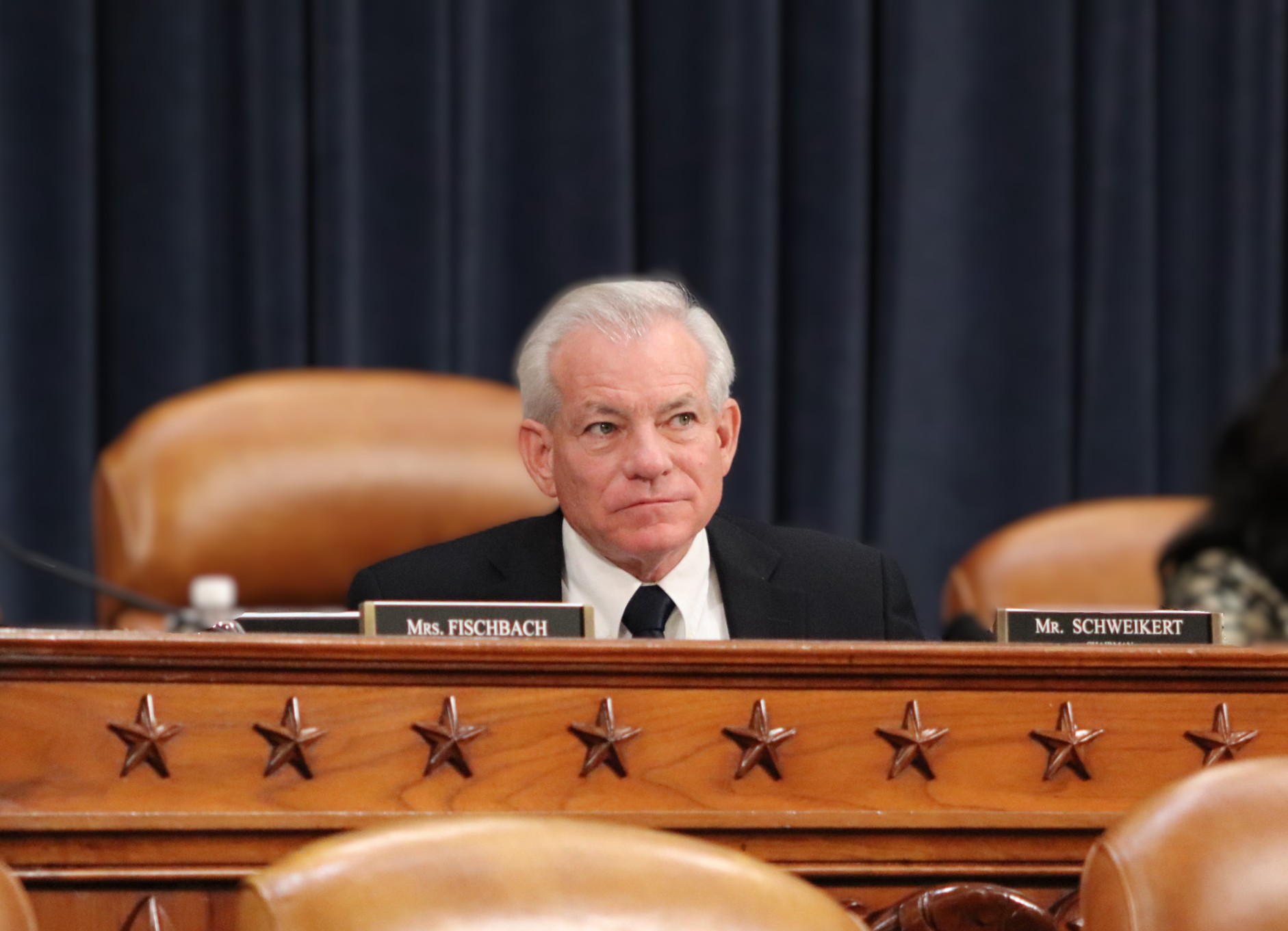
The Joint Economic Committee will hold a hearing this Tuesday on frontier technologies and how innovation can strengthen industrial efficiency.
The discussion will focus on ways new tools can raise labor productivity and improve output through better processes and higher quality production. Witnesses will also examine where government barriers slow innovation and how those obstacles may be reduced.
The hearing will take place at 2:30 p.m. ET in the Hart Senate Office Building, and can be live streamed HERE.
Fostering the Future for American Children and Families
Last week, I attended the Fostering the Future executive order signing at the White House.
The order directs the Department of Health and Human Services to modernize child welfare policies and improve the systems states use to track safety and outcomes. It also creates a national initiative to connect foster youth with education, job training, and housing resources through a new online platform.
Foster youth deserve stability, opportunity, and a clear path forward. This order takes important steps to help young people build strong and independent lives.
Retirement Contributions Increase for 2026

The IRS announced new cost-of-living adjustments for retirement accounts in tax year 2026. The annual contribution limit for employees in 401(k), 403(b), governmental 457 plans and the federal Thrift Savings Plan will rise to $24,500. The limit for 2025 was $23,500. The general contribution limit for IRAs will increase to $7,500. The IRA catch-up contribution for individuals age 50 and over will be $1,100. For most workers age 50 and older in 401(k), 403(b), governmental 457 plans and the Thrift Savings Plan the catch-up limit will rise to $8,000. Participants age 50 and over in these plans may be able to contribute up to $32,500 in 2026. A higher catch-up limit of $11,250 will continue to apply for employees ages 60 to 63 in these plans.
The IRS also raised income phase-out ranges for deductible traditional IRA contributions, Roth IRA eligibility and the Saver’s Credit. Limits for SIMPLE retirement accounts will increase in 2026. The general SIMPLE contribution limit will be $17,000 in 2026. Certain SIMPLE plans will allow a higher contribution of $18,100. Catch-up limits for SIMPLE plans will also change for workers age 50 and over. Different amounts will apply for certain SIMPLE plans and for employees ages 60 to 63. More details on 2026 retirement-related adjustments are available in IRS Notice 2025-67.
Visit to Phoenix Hebrew Academy
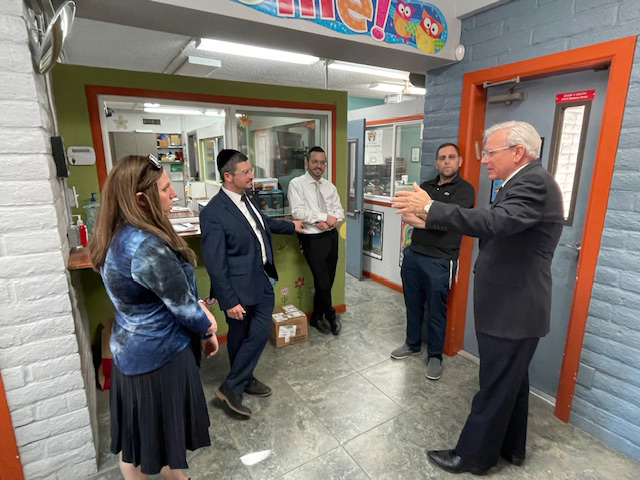
Thank you to Phoenix Hebrew Academy for hosting me. It was a valuable opportunity to hear directly about the efforts that shape education in our communities. Fun fact: Phoenix Hebrew Academy is the first Jewish Day School to open in the Phoenix area.
Medicare Open Enrollment End December 7th
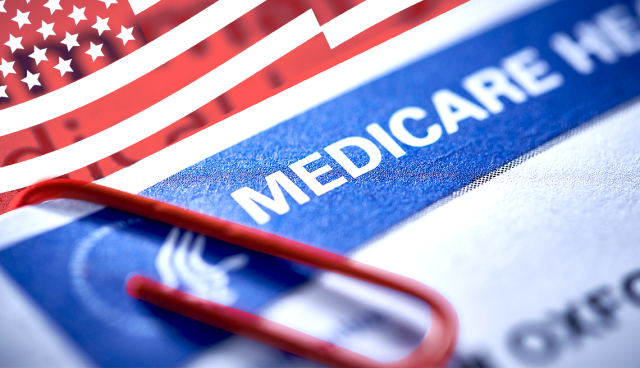
Quick reminder that Medicare open enrollment is now and runs through December 7. This is your annual opportunity to review and make changes to your current Medicare plan, whether you're looking to switch plans, add prescription coverage, or explore new options that better meet your needs.
Unfortunately, this period also attracts bad actors looking to take advantage of seniors. Please stay vigilant and avoid sharing personal information with unknown sources.
To compare plans, speak with a Medicare representative, or learn how to protect yourself from Medicare fraud, visit Medicare.gov.
What I'm Reading and Why it Matters
Arizona Classrooms Adapt to AI
Arizona teachers are adjusting as artificial intelligence tools such as ChatGPT become more common in the classroom. A College Board study found that 84% of high school students nationwide use some form of AI. That shift has prompted educators to rethink traditional assignments and place more emphasis on process, analysis and critical thinking. Some teachers are moving away from simple worksheets and asking students to complete more work with pen and paper so they cannot rely on AI to generate full essays. Others use AI to help plan lessons or to give students a way to brainstorm and organize projects. They emphasize AI literacy so students learn to treat these tools as a thinking partner instead of a replacement for their own work. The goal is to build independent writing skills, creativity and confidence. |